When Editors Err: What to Do When an Editor Introduces Mistakes Into Your Work

You finally finished your article! You were awarded a byline, so you poured everything you had into it, edited it as best you could for clarity, and gave it a great title. You sent it off to the editor to review and publish online or in print (or both), and now you’re sitting back and waiting for your pride and joy to be revealed to the world so you can share it with your friends and family.

So you wait… and you wait a little bit longer… and then the article goes live! You rush to the nearest store to buy a copy before the contributor copy is mailed to you. You refresh the website, delete the cookies, and then refresh again. Finally, you see it. You see your name in shining lights at the top of the article and read your work in the flesh for the first time. It starts out reading great, but then you see… a typo. Some repetition. A misplaced modifier that you don’t remember.

“Did I… Did I write this?” you think to yourself, ashamed of the very thing you were just so proud of. You go back to your final draft and compare the two to get a sense check, and you find that, no, you’re not imagining things. These mistakes aren’t yours to claim; they’re new.

So what happened? Well, as much as we rely on editors to make sure that a manuscript or draft is completely free of error, they’re still human. Editors (myself included) tend to be perfectionists when it comes to words–but realistically, we won’t always get it right 100% of the time.

How to Address Introduced Errors from Editing

So, once you find the mistake(s), how do you address it?

  • Assess the error (severity, type of error, if there’s an error, etc.).
  • Communicate the issue to your editor (offer context to help them understand your intention).
  • Remain professional (be respectful and understanding).

What About Printed Work?

Of course, when an article goes to print, we, unfortunately, can’t do too much about the copies that are already in circulation, but flagging any mistakes to the editor or editor-in-chief can help them prevent the error from living on to the next reprint.

How to Prevent the Introduction of Errors

As with anything we want to avoid, there are a few preventive things you can do to avoid the risk of introducing errors to your work, from using track changes to keeping copies of the work you submit or receive prior to edits.

Tips for Writers

  • Communication is key! Discuss your expectations with your editor in advance. Share background information or research materials that support your work for them to easily reference.
  • If you’re contracting an editor, offer a style guide or document outlining your stylistic and writing preferences.
  • Always keep an original, unedited version of your work. That way, you can easily spot unintended changes if they occur.
  • Request track changes from your editor so you can see all of the modifications made to your work.
  • Review edits in stages rather than after all the edits have been completed.

Tips for Editors

  • Take breaks! This is especially important if you’re working on a longer manuscript. When you step away, even if it’s just for five minutes, you can come back to the work with fresh eyes. Along with this, avoid rushing. While we all want to make sure a piece of writing is finalized as soon as possible, it’s not worth the risk of ending up with subpar work.
  • Change your perspective. Print the article out, change the font or font size, or read everything out loud. Doing this will force you to see the work in a different way, helping you identify errors you might have missed.
  • Leave the major revisions to the writer. As an editor, your job should be to help the writer ensure their work is clear and correct. If you have concerns about anything beyond this, have a conversation with the author about potential rewrites. Doing so will not only help the writer improve their own craft, but prevent you from accidentally taking on additional, unnecessary work.
  • Remember: Editors aren’t perfect. Sure, we would love to have a clean, well-written article attached to our name, but don’t get too caught up in the fear of making a mistake. You’re still human, so focus on doing your best, and the rest will follow!

As embarrassing as it might seem to go back to your editor and request a change in the final live draft, it’s completely normal. However, if you’re still hesitant, think of it this way: Wouldn’t it be more embarrassing to leave a mistake up for readers to see when your name is all over it? So be proud of your work, and protect it from errors!
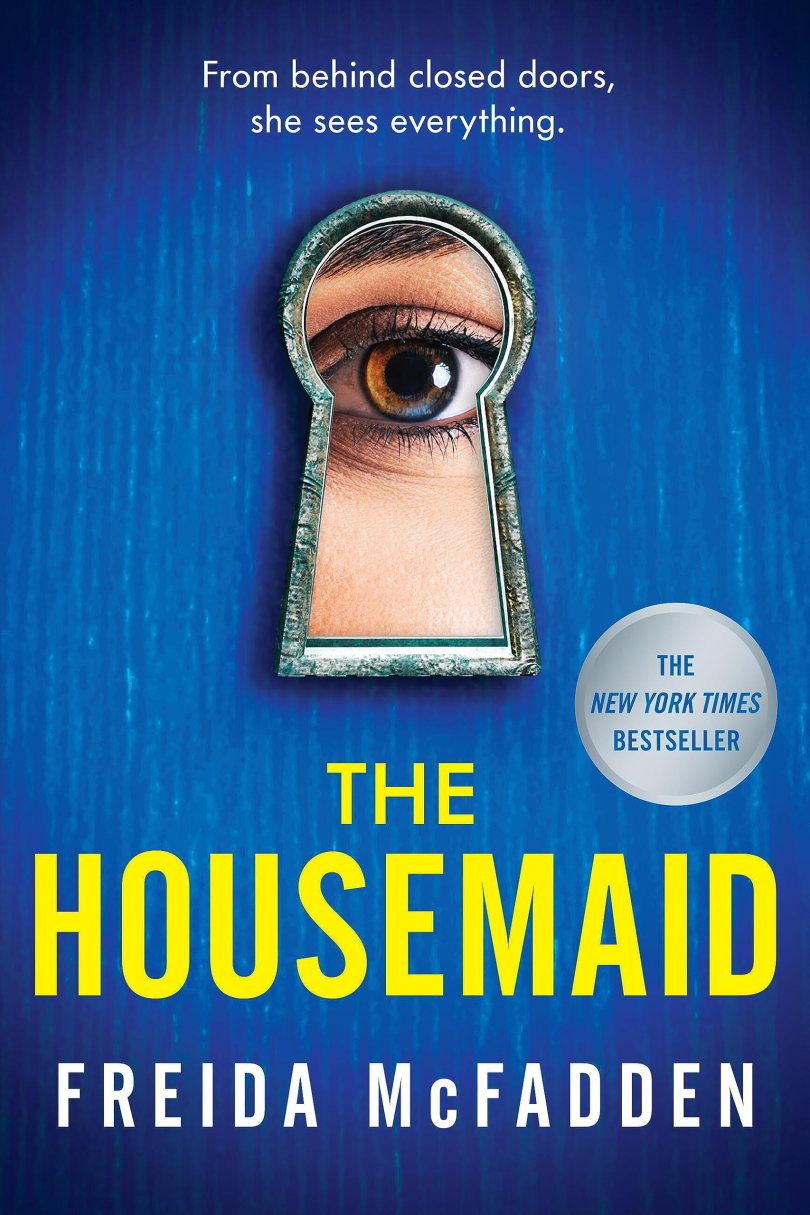
the housemaid book cover

Book Review: The Housemaid by Freida McFadden

Millie Calloway is desperate for a job, and her criminal background makes it nearly impossible to find one that pays well enough to ensure she doesn’t have to stay another night in her car. Lucky for her, she eventually receives the opportunity to be a housemaid for a wealthy family–but at what cost?

Packed with shocking twists, The Housemaid is a psychological thriller that explores deception, power, and the terrifying truth that sometimes even the most perfect home can hide the darkest secrets.

Plot Summary

*SPOILER ALERT*

Millie Calloway is desperate for a fresh start after her release from prison. When she lands a live-in housekeeping job with the wealthy Winchester family, it feels like a second chance. But from the moment she steps into their luxurious home, something feels off.

Nina Winchester, her new employer, is erratic–charming one moment, cruel the next. She blames Millie for small mistakes, fabricates problems, and seems determined to make her life miserable. In contrast, Nina’s husband, Andrew, is warm, understanding, and easy to talk to. As tensions in the household escalate, Millie can’t help but be drawn to him.

When Nina is abruptly removed from the picture, allowing Millie to grow closer to Andrew, she starts to believe she might finally have found stability. But that illusion shatters when she wakes up locked inside the tiny attic bedroom–one that only locks from the outside. Suddenly, she realizes she’s not the first woman to fall into this trap… and if she’s not careful, she won’t be the last.

Why I Picked Up the Book

I’ll admit, I probably wouldn’t have picked this one up if it wasn’t for my church book club, but I had heard a lot of great things about it. I’m also a sucker for thrillers, so I couldn’t not read it, right?

Why I Set the Book Down

I never set the book down. In fact, I finished it within a day because I was just that invested! My only gripe is that the writing in a couple of places was repetitive, and the main character made some pretty unreasonable choices, but I can easily look past that–at least this time. (If you’re familiar with this author, you know what I mean.)

Why I Picked the Book Back Up

It wasn’t predictable. I tried to guess where the book would take me, but the twist definitely got the upper hand! And speaking of the twist: Once it was revealed, it was really hard to put the book down. Although the plot became slightly complex toward the end, it still made for an easy, quick read.

Final Thoughts

I already purchased my copy of the next two books in the series to see where it goes from here, and I recommend you do too!*

Rating: 4 out of 5.

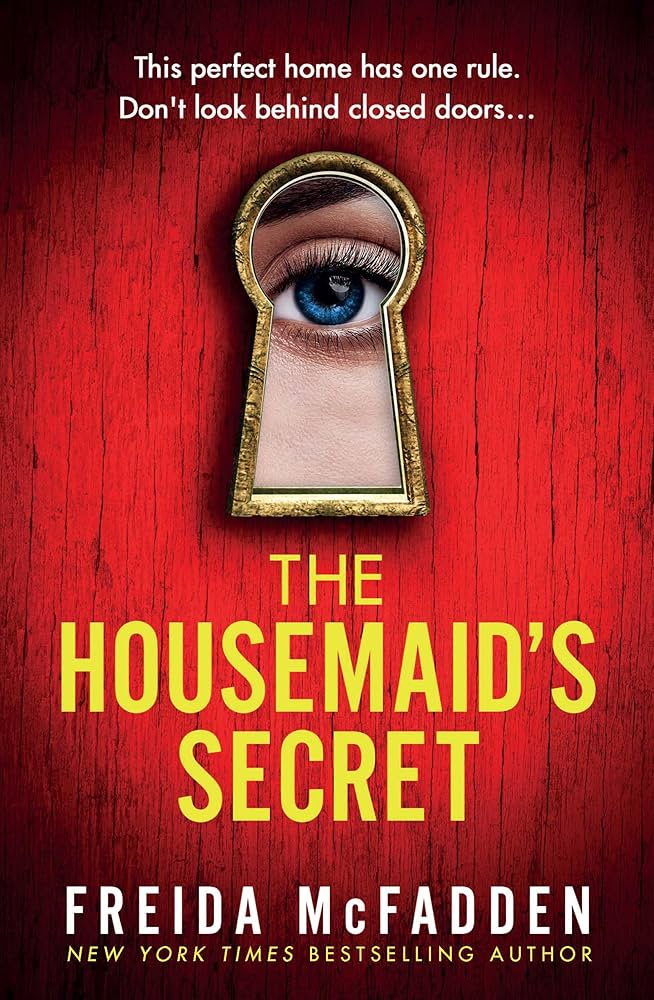
*Update: I finished the next two books in the series (The Housemaid’s Secret + The Housemaid is Watching), and the verdict is… I actually didn’t like them as much. In fact, I feel like they’re unnecessary sequels. There’s also a short story (The Housemaid’s Wedding) meant to take place between the second and third books, but I didn’t go out of my way to pick it up.

digital save the date, cropped

Design Dump: Navy & Rose Gold Wedding Stationery

In this Design Dump, we’re going back in time to take a look at a project near and dear to my heart: stationery for my wedding!

Although I used a professional design service for the wedding invitations, I took it upon myself to create my own Save the Dates, Night Before invites, and day-of signage (both for cost-saving and creative expression purposes). Shout out to Canva for its user-friendly platform and amazing print services to help make this possible!

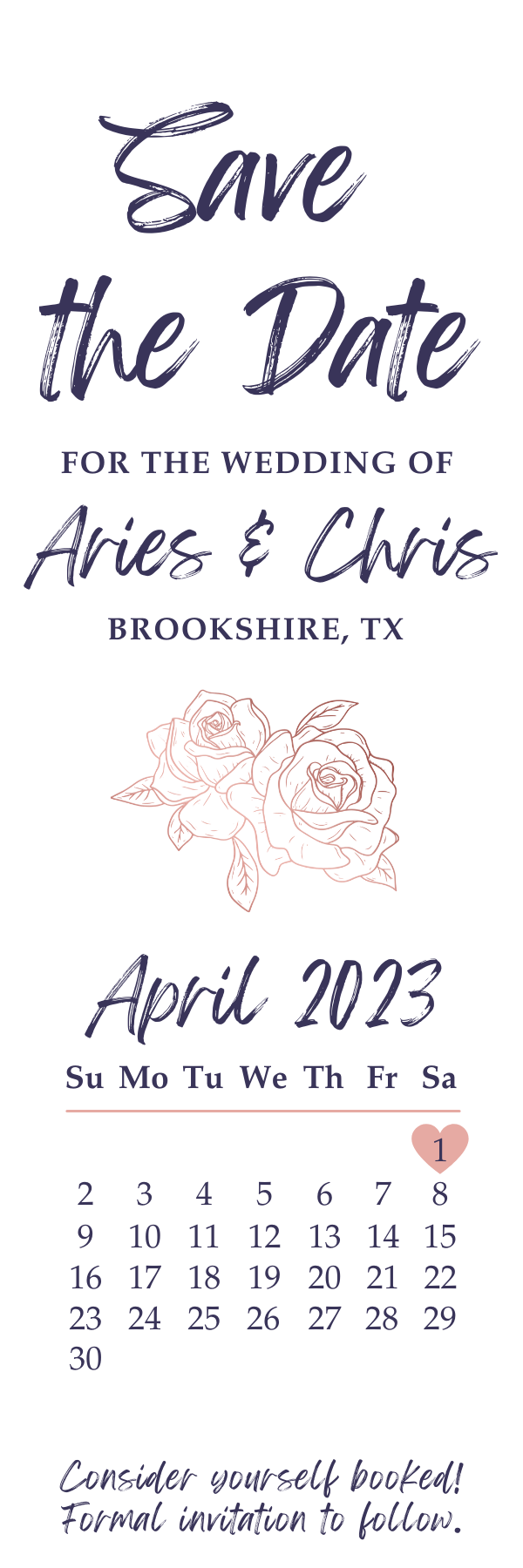
Being the bookworm I am, I had to make Save the Date bookmarks. Not only are they a unique concept, but you can hold onto them as memorabilia for years. Ultimately, I went with a two-sided bookmark design, leaving room for a hole punch at the top where I could tie a color-matching tassel.

Because of the size constraints that come with designing a bookmark, I had to be strategic about how much information to include without making things too cluttered or sparse. Of course, Save the Dates are meant to be a “Hey, heads up! There’s a wedding happening on this date at this location. Plan accordingly.” That said, I kept things to a minimum, limiting info to the date and location.

Text

I didn’t want to use the generic elegant cursive font typically used for wedding stationery. I’ve always been a fan of “handwriting” fonts because they seem more natural, so Playlist Script was the way to go for the headers/titles. For readability, I kept the rest of the text in a standard serif font.

Design

When it comes to date formats on Save the Dates, I’ve always liked the idea of a mini calendar. It’s also easy to work with within the constraints of a bookmark. After adding key information, I realized there was a lot of white space left, so I added the rose graphic as a play on the “rose gold” concept. (Fun fact: It’s very difficult to nail the exact color of rose gold in a matte design, so we had to settle for a blush pink as an alternative.) The other side of the bookmark was a full image of one of our engagement portraits.

Finally, my husband is a pun person, so naturally, a requirement for this bookmark was to include a book-related pun somewhere… “Consider yourself booked!” worked perfectly.

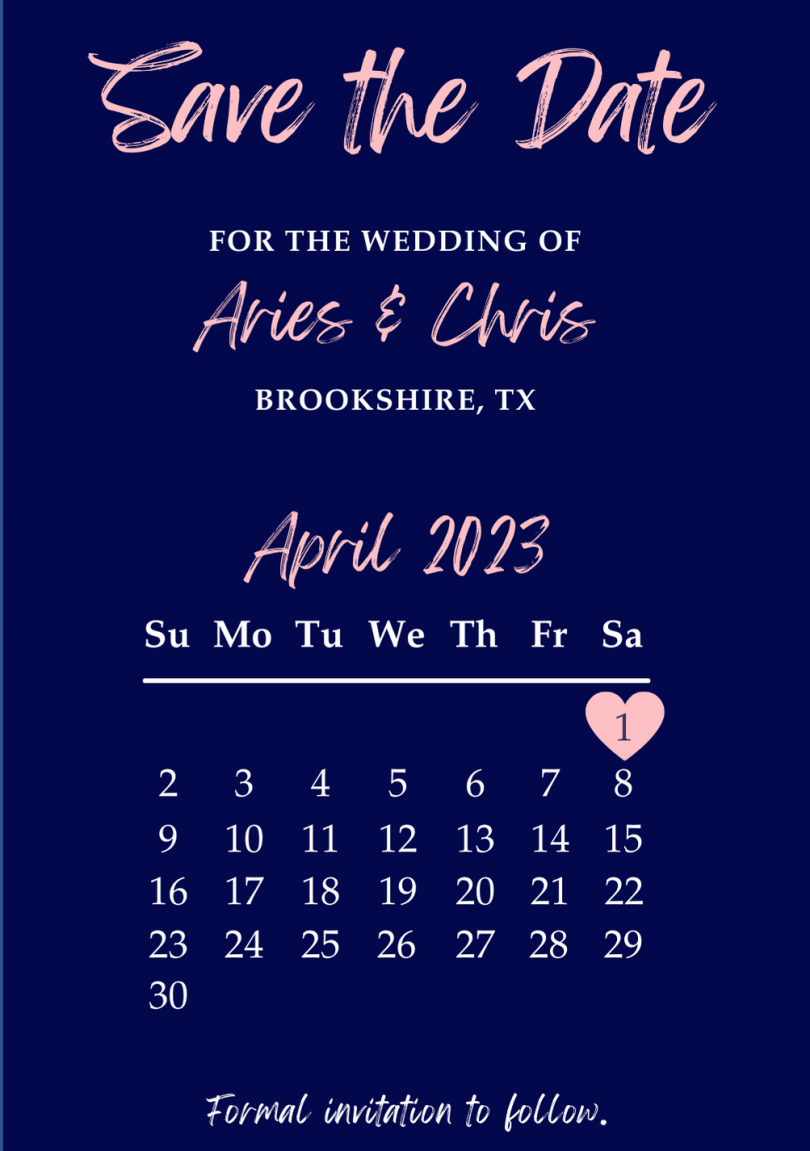
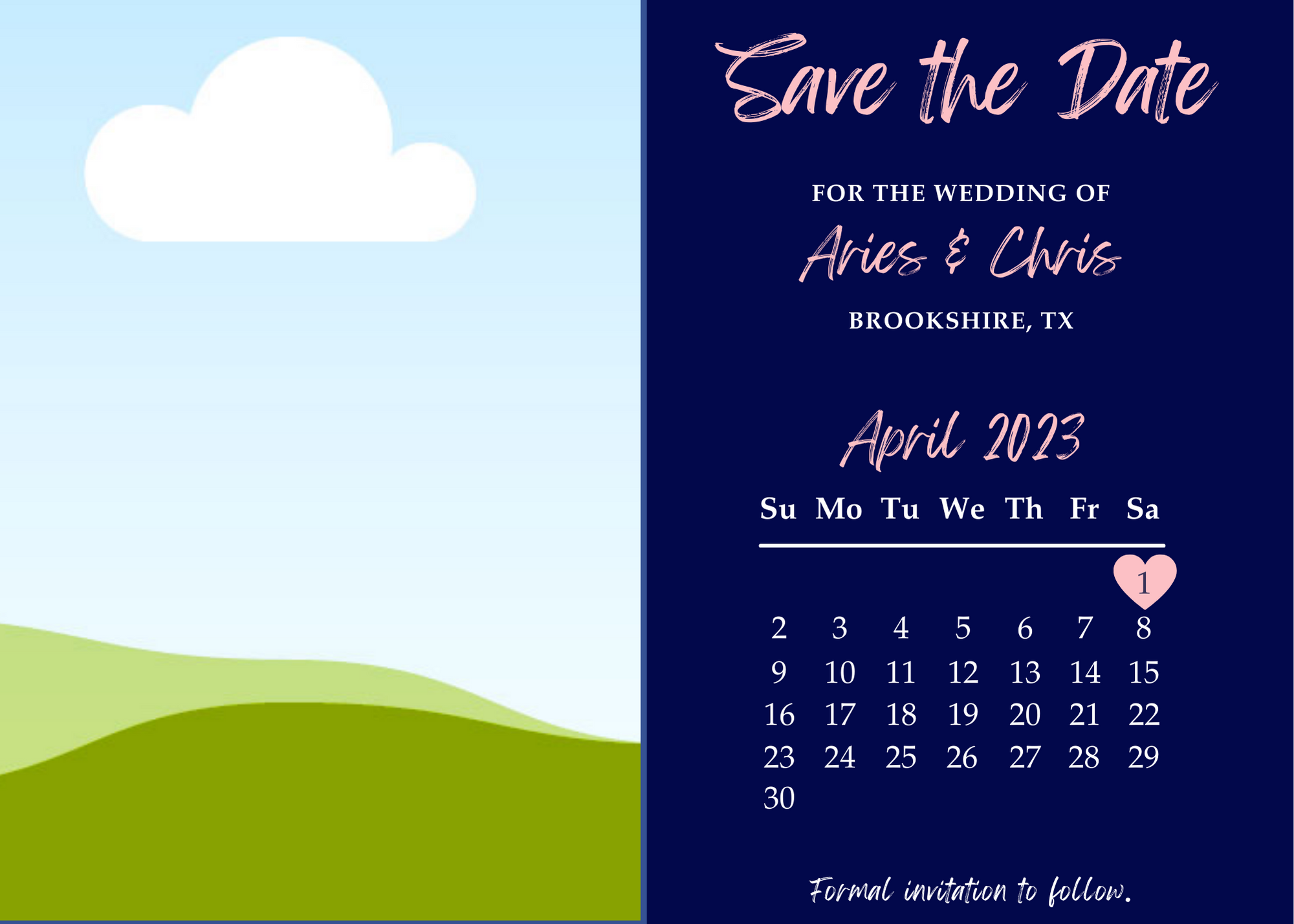
I also designed a complementary digital Save the Date to send to guests that we didn’t have mailing addresses for, but we ended up sending it out to our full guest list via email/text to account for any mail mishaps.

The right half contained the same information as the bookmark, with slight tweaks to the text, while the left utilized the same engagement portrait.

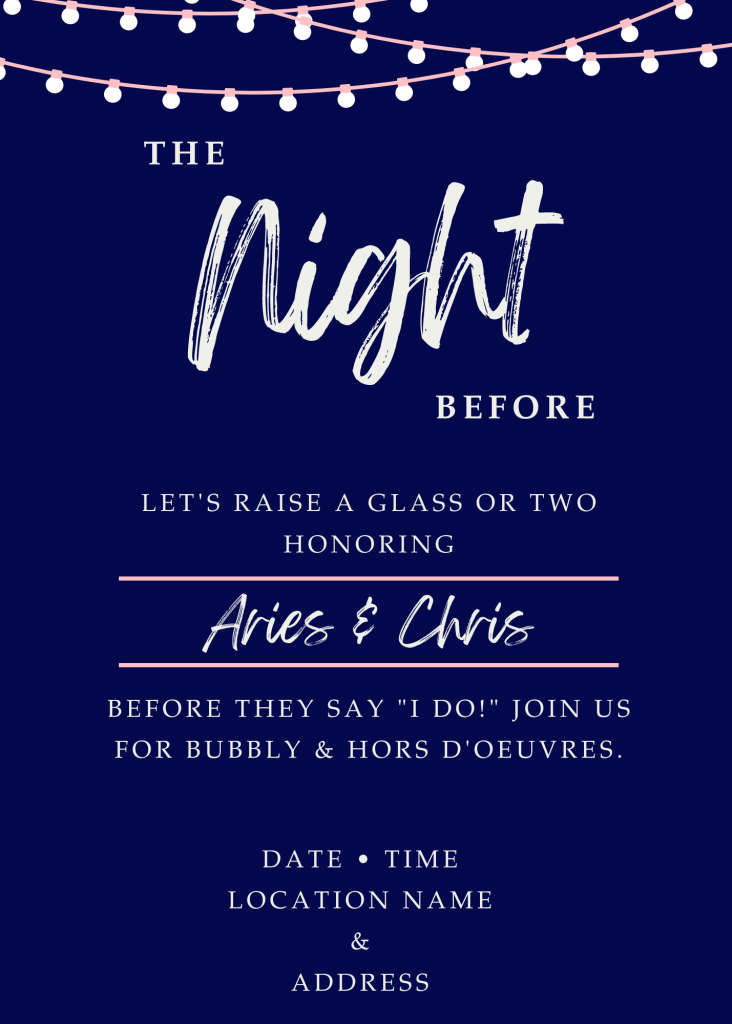
Because the full bridal party planned to be at the venue all day leading up to the ceremony, our “rehearsal” happened that same morning. So, we labeled the dinner for the night before… well, “The Night Before.”

Like the Save the Dates, I wanted to keep this simple with only key information: the date, time, and location (and, of course, the subtle hints that there would be appetizers and drinks available). The font and colors were purposely matched to the theme of the Save the Dates, as you’ll also see with the signage below. (Consistency is key!)

This invitation was only extended to the bridal party and immediate family, so we went with the digital-only route.

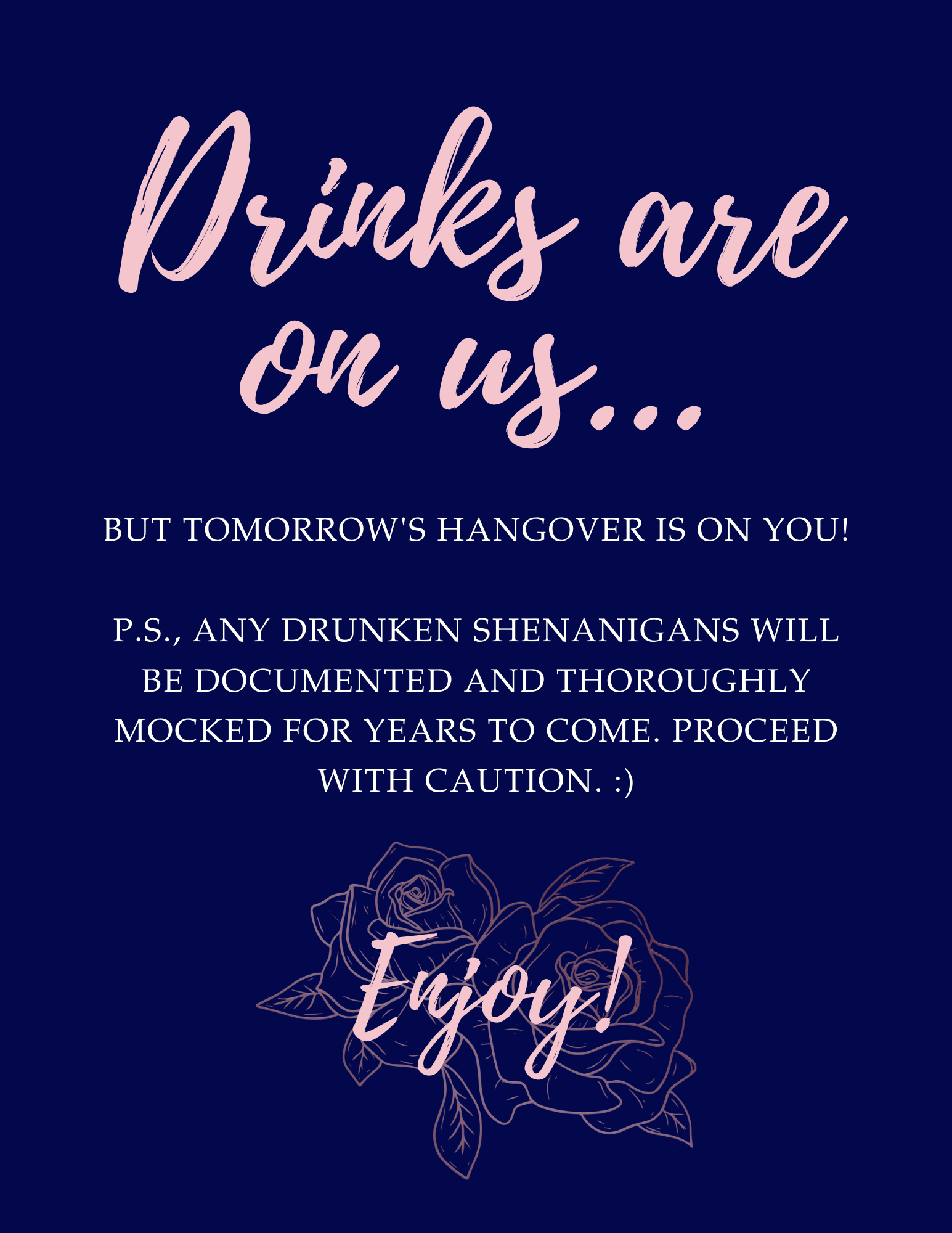
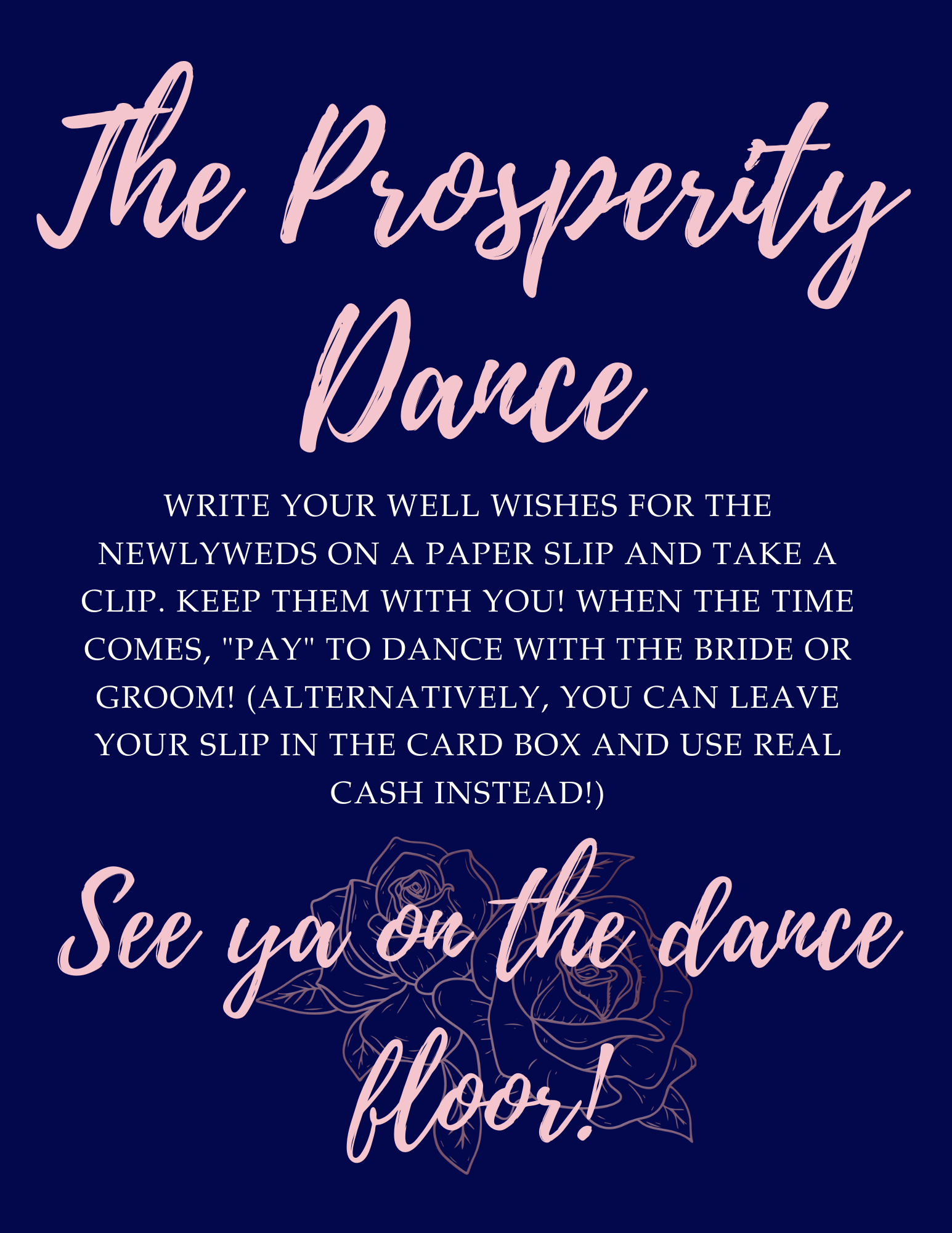
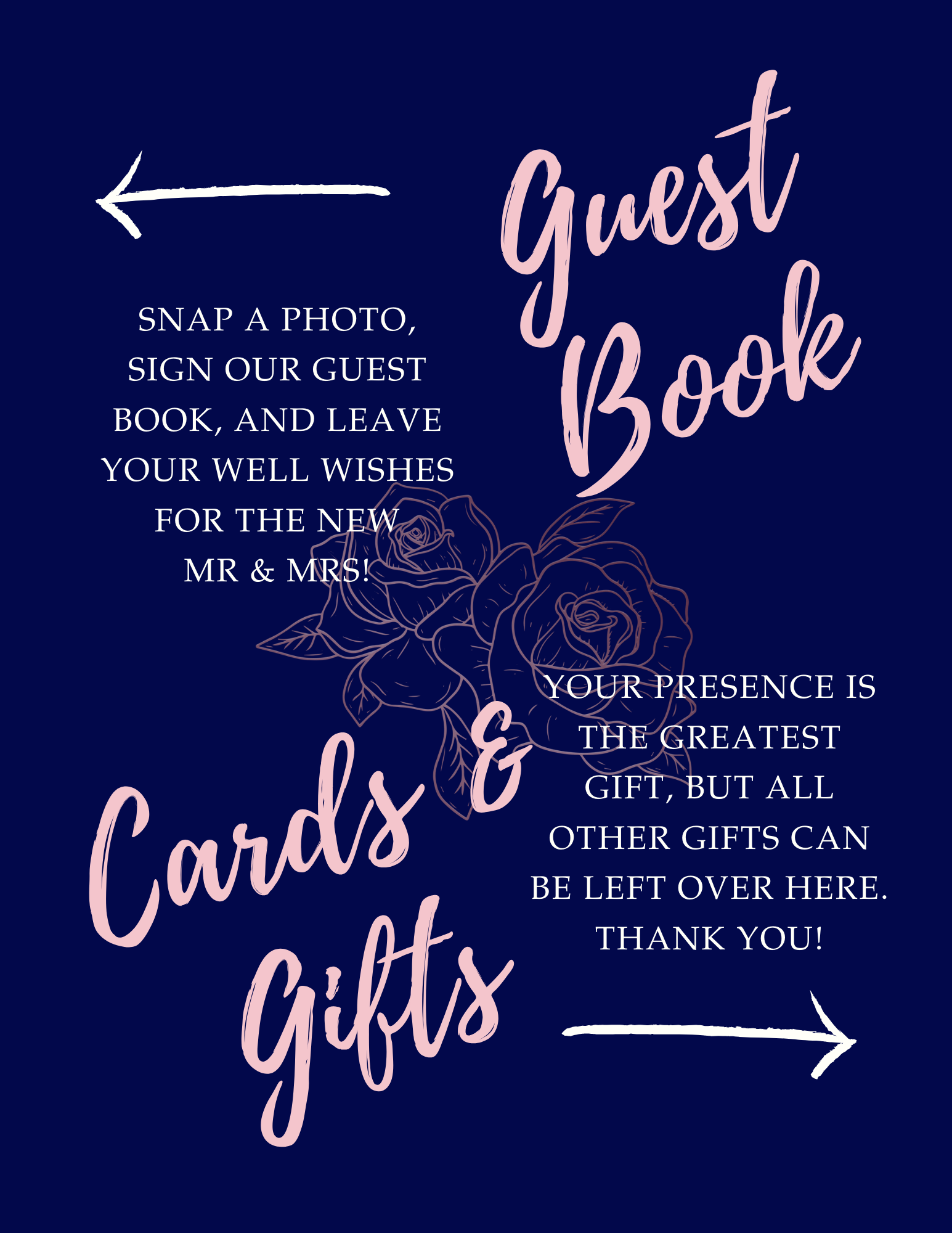
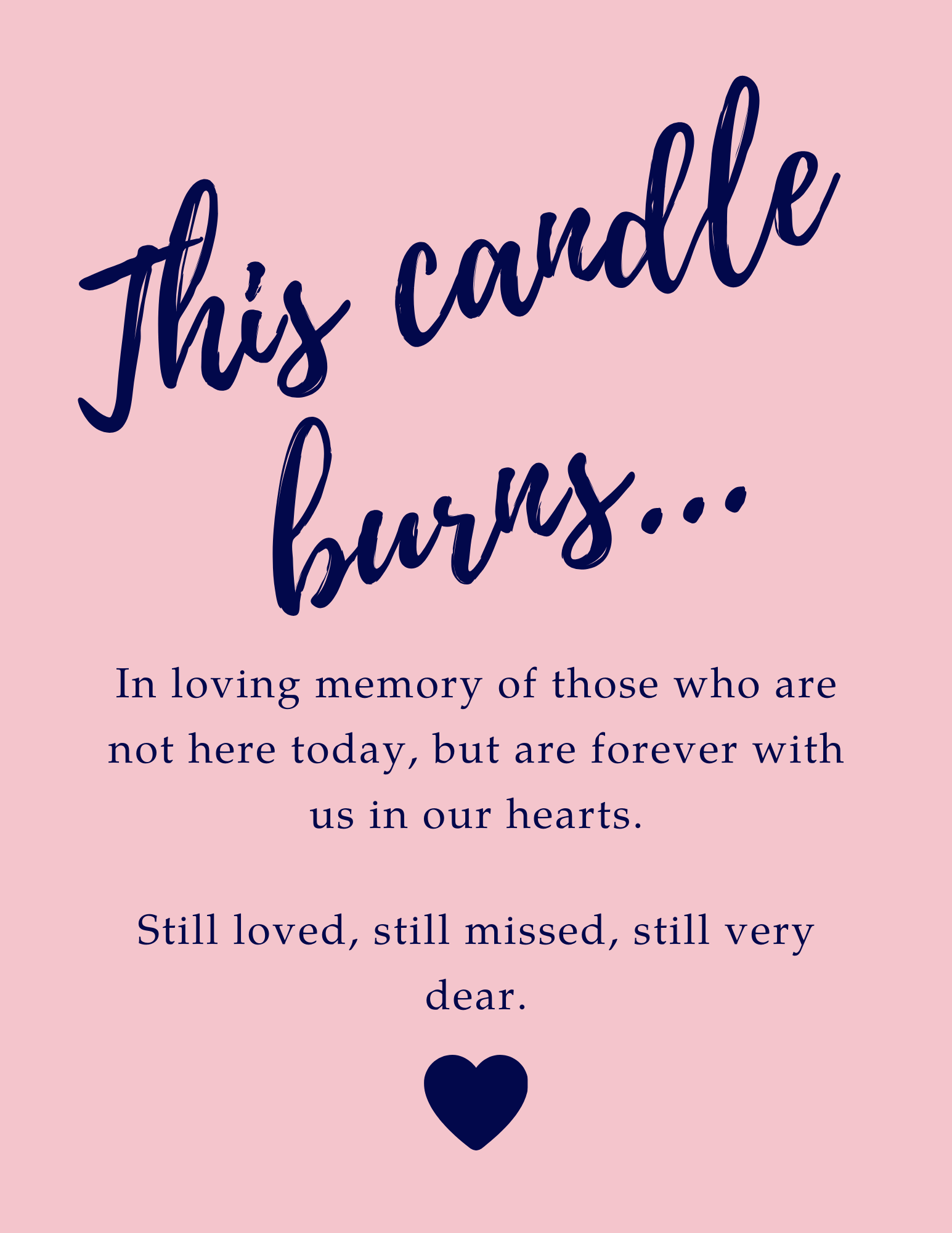
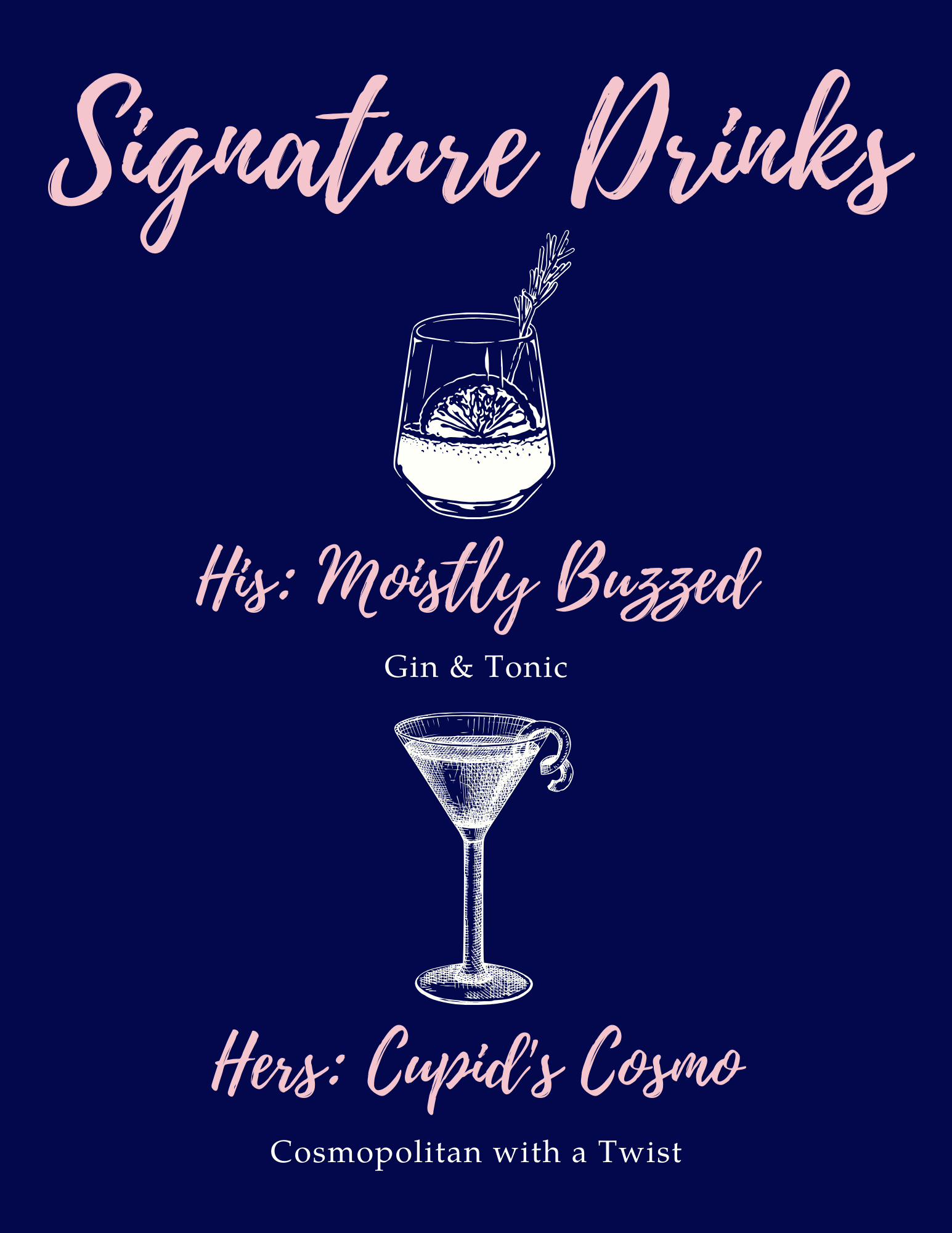
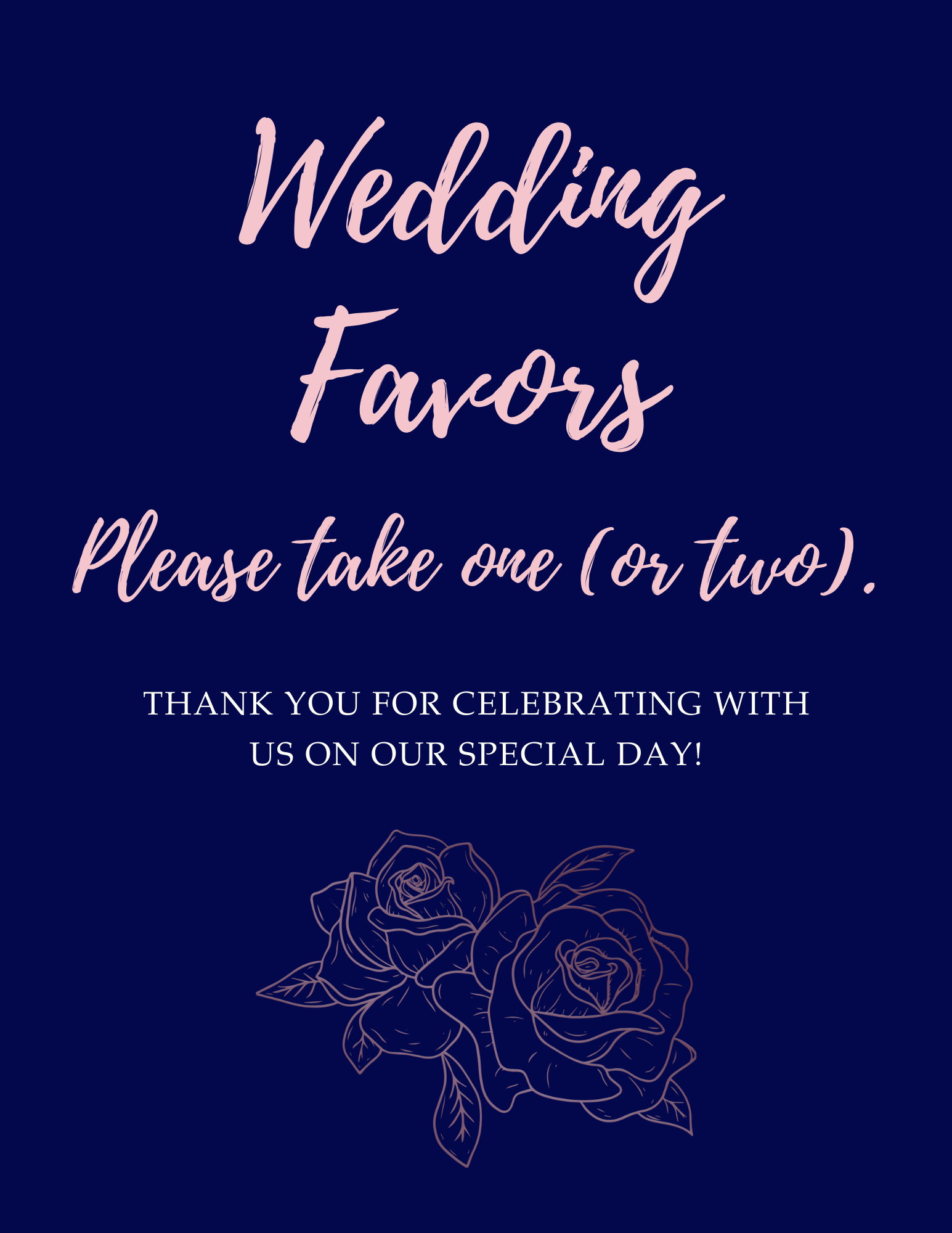
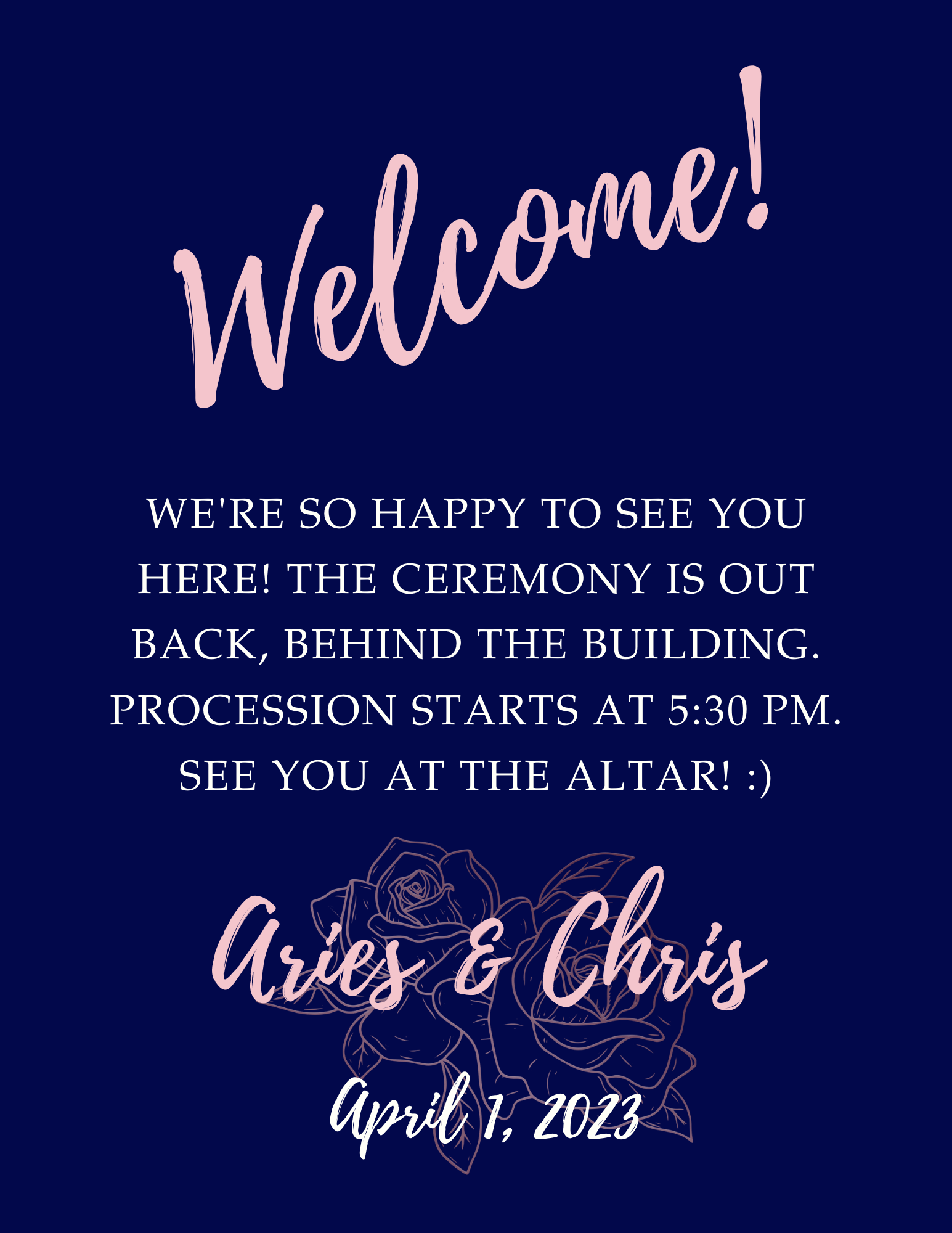
Finally, we have our day-of signage! These were all sized to fit 8.5 x 11″ frames, which were placed on stands throughout the interior of the venue to help direct guests accordingly.

dark boho save the date invite

Design Dump: Sophisticated Birthday Party Invite, Dark Boho Save the Dates

Now, I’m no professional graphic designer by any means, but I do dabble in design work occasionally for personal projects or if I get special requests from family and friends. This summer seemed to be one of those seasons where I had more requests than usual!

Sophisticated Birthday Party Invites

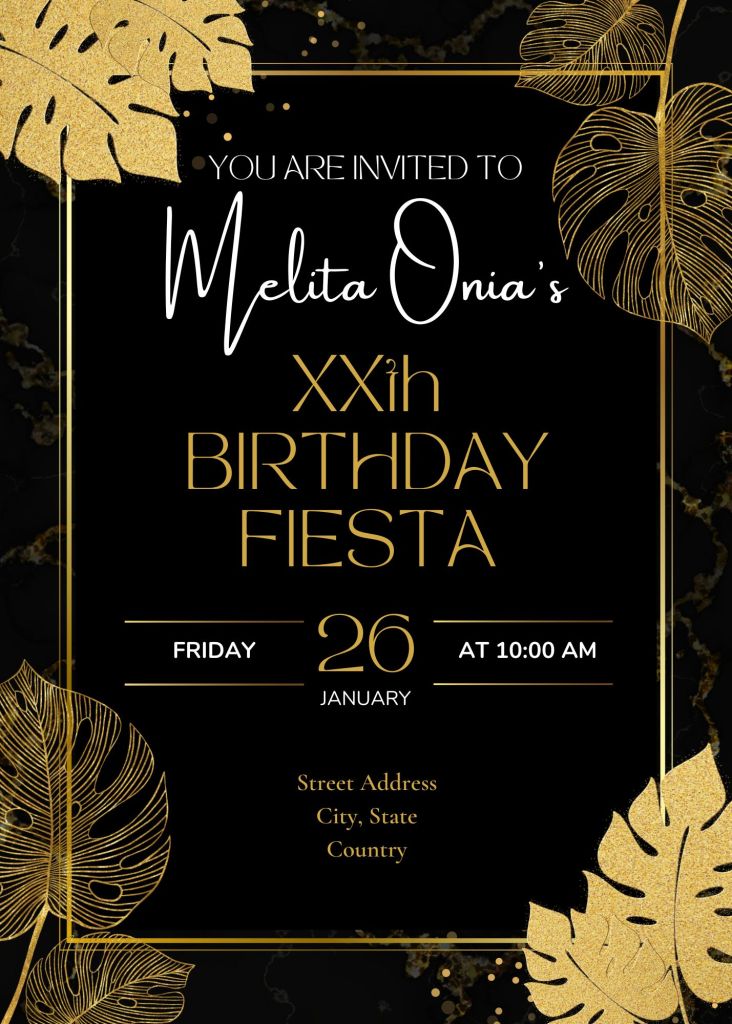
The first came from my aunt, who asked me to design a digital invite for a birthday party. The venue would be in a tropical location, so I was able to find a standard template on Canva that had palm tree leaves that would fit the theme perfectly. The guest of honor’s favorite colors are silver and gold, and she’s often described as “sophisticated and classy,” so the black and gold color palette with a font reminiscent of The Great Gatsby seemed to be the best combo for this purpose.

If I had to change anything, it would be the font for the age (XXth). That “T”-not “T” was starting to get to me, but my aunt loved it as-is, so I left it alone. I also could have done more to incorporate silver, maybe in place of the white font, but it would have made the text a little harder to read against the dark background. But overall, I’m pretty happy with how this turned out–and apparently, so is the birthday girl!

sophisticated black gold birthday invite

Dark Boho Save the Dates

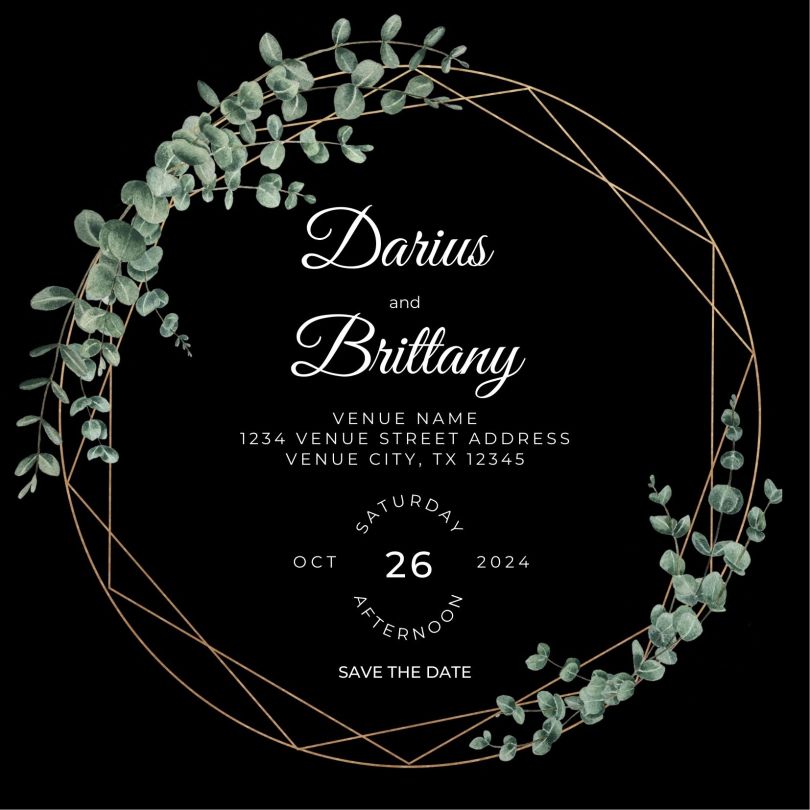
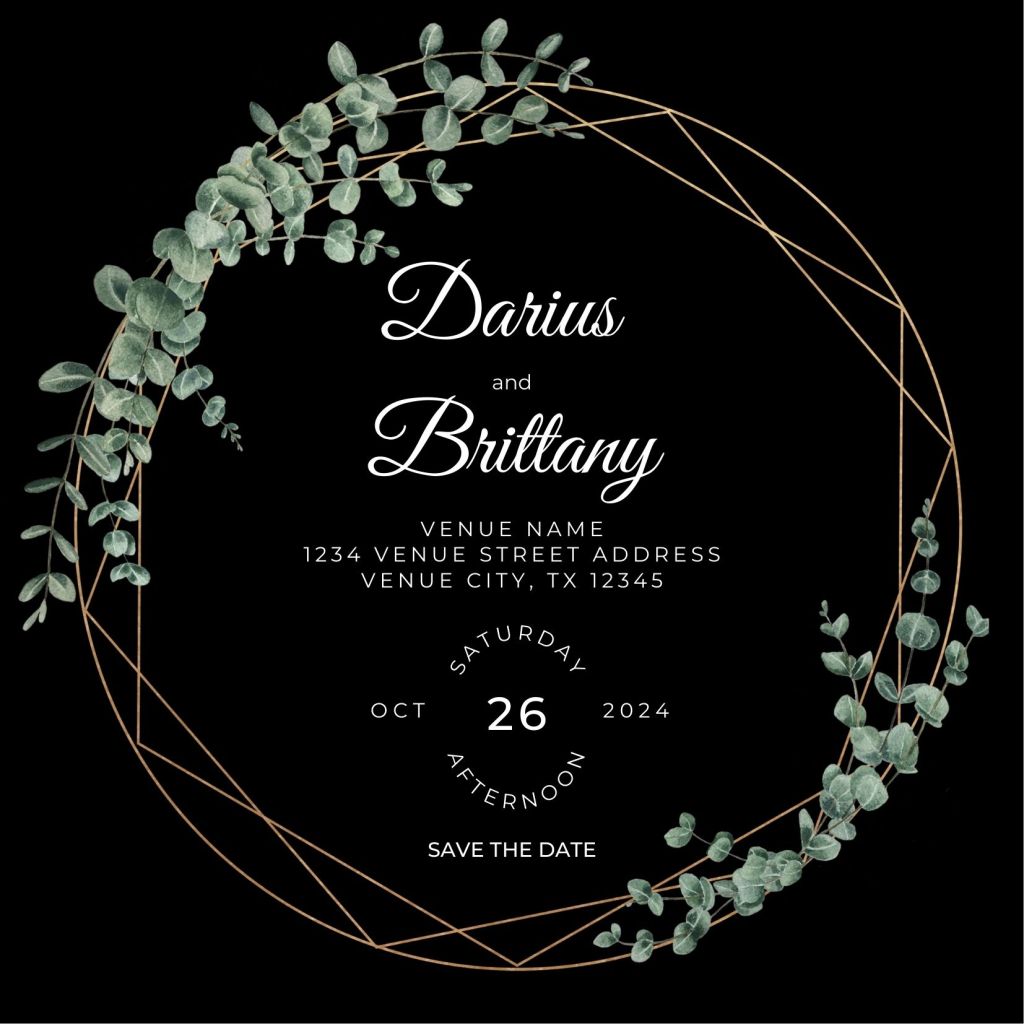
Next, we have the bestie’s Save the Dates for her upcoming nuptials! The colors are eucalyptus green and steel gray, with black as the accent color, and as you can gather from the final design below, leaves will definitely be involved in the floral arrangements and decor.

She’s leaning toward a dark boho aesthetic for the wedding, so we decided on the geometric ring wrapped in eucalyptus. The back of the Save the Date (not pictured here) is a sage-like green that matches the color of the leaves here and features a QR code that goes to their wedding website when scanned. (The site URL is underneath the QR code for their not-so-tech-saavy guests.)

If I were to change anything here, it would be the placement of the “save the date” text, which–admittedly–wasn’t there in the original design. (Yup, that’s right, we both didn’t realize those three keywords were missing for these Save the Dates!)

Other than that, the final version is pretty simple, so there wasn’t much I could complain about. However, despite being simplistic, I actually had a hard time designing around the eucalyptus ring; it took a few tries before I could get the text and frame to get along so they would both be easily visible and centered. It was definitely a learning experience!

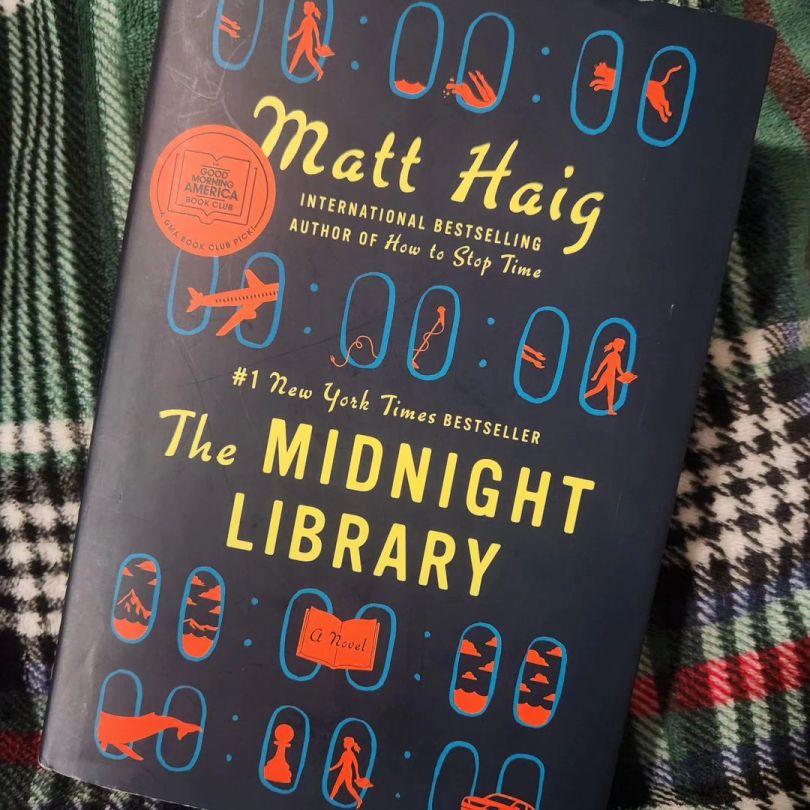
The Midnight Library book cover

Book Review: The Midnight Library by Matt Haig

Content Warning: The book reviewed here contains references to self-harm, suicide, death, animal death, and addiction.

“What is the best way to live?” If you suddenly find yourself between life and death and are given the chance to revisit every past decision you’ve made, right the wrongs, and relive an alternative, better future for yourself, would you take it? In The Midnight Library by Matt Haig, Nora Seed receives a once-in-a-lifetime opportunity to do just that.

Plot Summary

Nora Seed isn’t having a great day; within 24 hours, her cat dies, and she loses her job. She feels like she doesn’t have anyone left in her life: Her parents passed years ago, she ended things with her fiancé, and she hasn’t spoken to her brother or best friend in what seems like forever. Her only piano student stopped taking lessons from her, and her older neighbor admits he no longer needs her help picking up his medications for him. This unfortunate state of affairs weighs heavily on Nora’s heart — to the point that she decides to attempt suicide.

However, unexpectedly, she wakes up in front of a large library that is maintained by her old high school librarian, Mrs. Elm. But this isn’t an ordinary library; as Mrs. Elm eventually explains, every book inside contains a variation of Nora’s life. Guided by a specific book that details all of her regrets, Nora has the option to pick any of them to see what her life would have been like if she made different choices. If, for any given moment, she starts to feel disappointment in the alternative reality, she’s immediately brought back to the library to choose again. However, if she finds a life that she’s completely happy with, it will eventually overwrite her root life. But all of this can only happen as long as the clock is stuck at midnight.

From there, Nora explores a variety of realities: one where she decides to marry her fiancé, others where she becomes an Olympic swimmer, a glaciologist, or a successful rock star. But she still struggles to find happiness. Eventually, Nora learns that these are all lives where she pursues other people’s dreams and not her own and that her root life’s actions, no matter how small, actually made a positive difference in the people around her.

By the time she comes to this conclusion, the library is already starting to fall apart; Nora is running out of time. But as the seconds begin to pass again, she finally realizes that she wants to live after all.

Why I Picked Up the Book

If you’re going to use a giant library as a metaphor for life, you’ve already won me over. The idea that each book represents another reality was an intriguing concept for me. Also, I really enjoyed Blake Crouch’s Dark Matter, so the idea of parallel universes made this even more appealing as a TBR pick.

Why I Set the Book Down

There were a few reasons why I wanted to put the book down:

  • I really tried to empathize with Nora, but she didn’t feel like a realistic or believable character.
  • While I appreciated the library metaphor, I was a little disappointed that it wasn’t used other than as a vehicle for transporting Nora between lives. I think that there was more potential there.
  • After a certain point, things started to get a little fluffy and repetitive, which made it harder to push through to the end.

Why I Picked the Book Back Up

Although I already had a feeling about how the book would end early on in the story, I was curious about how that would be achieved and the type of character development Nora would display once she came back from the brink of death. The novel is also a pretty quick read and on the shorter end, so it’s pretty easy to get through in one weekend.

Final Thoughts

Would I read the book again? Probably not, but I will say it’s worth trying at least once. It’s definitely not what I would consider a “bad” book; it actually has a few good things going for it that I genuinely think other readers might enjoy. However, it’s just not for me.

Rating: 3 out of 5.
Netflix app on den TV

How to Get Away with Murder: A Case Study in Flash-Forwards in Writing

When you’re confined to the couch for a long period (I thank my appendix for that), you can’t help but start binge-watching a new TV series; in my case, it was picking up one I hadn’t had time to finish until now. And if you’re down and out for the count but still want to feel like you’re on your toes, I highly recommend How to Get Away with Murder.

Created by Peter Nowalk, How to Get Away with Murder is a serial legal drama (or thriller, depending on how you look at it) that follows the interconnected stories of a group of ambitious law students and their renowned (read: infamous) criminal defense professor.

The series kicks off at the school bonfire: there’s partying, there’s drinking — you know, stereotypical college shenanigans. But it’s not all fun and games.

In the distance, in a dark, wooded area behind the festivities, we find our star law students standing over a dead body (yikes). They’re frantically arguing about what to do with the corpse to steer suspicion away from them. Do they leave it where it is or take it with them?

It’s not long until one of the young adults, Wes Gibbins (Alfred Enoch), decides it would be best if they just…flipped a coin. Of course, we don’t see if it lands heads or tails because we’re immediately brought back to what we realize is actually the present. It’s here we get our true introduction to Wes as he heads into Criminology 101 for the first day of class with Professor Annalise Keating.

Throughout the rest of the first season, every episode starts with a small peek at the future state, with each return to it revealing a little bit more about what’s coming. The remaining 40 or so-odd minutes take place in the present, where events slowly begin to unfold that will lead us to what we now know will inevitably happen — the question is just how.

An Introduction to Flash-Forwards

These short trips to the future are known as “flash-forwards.” It was originally a literary device used to create anticipation and suspense but has more recently had applications in film and TV. It is not the same as starting a plot in medias res or “in the middle of things.” The key difference is that the flash-forward still reverts to the beginning, whereas stories that begin in medias res pick up from that point and continue to drive the plot forward.

Another feature worth noting is that flash forwards don’t always promise a future that is definite. In some cases, the preview you get is just a “possible” ending.

Benefits of Using Flash-Forwards in Writing

Now, you may be wondering: “Why on earth would any writer want to potentially spoil the conclusion as soon as the story starts?”

There are a few advantages to flash-forwards, but the biggest is that they can be used to immediately hook the reader.

A hook is a technique used to grab the audience’s attention at the beginning of a story. It’s meant to capture their interest and encourages them to continue watching or reading. A group of young lawyers-in-the-making now responsible for someone’s murder? I mean, who wouldn’t be inclined to want to know what happened?

Other benefits of using this literary technique include:

  • It builds an emotional connection with your audience. Since flash-forwards are generally used as hooks, this is the perfect tool to establish a relationship between your protagonist and reader. What happens in this possible future that will make your audience care about them?
  • It helps with tone-setting. Rather than hinting at the themes of your novel, you can use a flash-forward to get straight to the point. Things like a dead body in the middle of the woods scream “mystery” and “thriller,” so your audience should already know from episode or chapter one that it’s time to grab a detective cap and strap themselves in.

How to Avoid Spoilers with Flash-Forwards

There’s an art to creating flash-forwards that can circumvent spoiling your story’s plot or conclusion, which is something How to Get Away with Murder does particularly well. Here are a couple of tips you’ll want to keep in mind if you decide that this literary technique is something your plot needs:

  • Don’t get caught up in the details. Offer just enough information for the reader to have a vague idea of what’s to come. Leave out the why and how and just focus on concrete details (the who, what, when, and where).
  • Circumvent expectations. Earlier, I mentioned that flash-forwards don’t always present a definite ending. That’s because, in some cases, writers cleverly deliver breadcrumbs that may lead a reader to believe that one thing will happen when in fact, it’s something else entirely. (If you’ve seen the series finale of Firefly Lane, you’ll know what I mean.)

Done right, a flash-forward will not only hook the audience but will provide just enough information to add suspense and get them invested, regardless of whether that ending actually comes to fruition.

Person writing WordPress blog on laptop

Why Are Blogs Important?

Whether you want to learn more about raising bamboo, homeschooling your kids, or what your zodiac sign says about how you feel about exercising—there’s probably a blog about it. But why are there so many of them online, and why have they become so important for a website? 

Blogs are important because they’re not only good for marketing and SEO, but their content can be repurposed for social media, newsletters, videos, and more. They’re also a good way for the author to express themselves and their thoughts to a new audience. 

No matter if you’re a small business trying to attract new customers, an entrepreneur trying to make a name for yourself, or a hobbyist that just wants to share inspiration, a blog can take you one step closer to your goals. 

Blogs Are Good for Marketing and SEO

If you’re reading this, chances are you’re probably at least a little familiar with SEO or Search Engine Optimization. SEO is a standard marketing practice—which includes strategies such as blogging—that aims to increase traffic to your website through search engine results. The more traffic you get, the more likely those visitors will contact you, interact with your site, or purchase your products or services. 

How do blogging and SEO go hand-in-hand? Well, Google uses crawlers (think of them like tiny little invisible robots) that scan your site’s content and just about every other website that exists on the internet. The crawlers then build an “index,” which is connected to an algorithm that tries to match the information the small bots find to what users search. 

For example, if you wanted to know what the Kingdom Hearts series is about, you may open Google and enter something like “Kingdom Hearts summary” or “Why doesn’t the plot of Kingdom Hearts make sense?” As soon as you hit Enter, Google will pull up a list of results—websites that best answer or address your query based on their index and algorithm. 

If you’re regularly blogging, it’s likely that Google will crawl through the pages of your site, including those new posts, so you can start showing up on search results. In other words, if you happened to actually get the plot of Kingdom Hearts and explain it clearly enough that even a tiny invisible robot can understand it, your blog might be one of the first results for someone searching for it. 

Their Content Can Be Repurposed

Whether you’re a business or an influencer, content is essential for attracting and maintaining an audience. But what if you’re fresh out of new ideas to keep them engaged? 

Another benefit of blogs is that you can reuse their content for different things and platforms. 

Just wrote a blog about your favorite peach cobbler recipe? Take a photo of the final product and post the recipe on Instagram or Facebook. Share tips for the best, mouth-watering pie in your next newsletter. Create a short video of you making the dish from your kitchen with a tutorial. The possibilities are endless! 

They Spark Creativity and Inspire

Finally, blogs allow writers to get their creative juices flowing. Maybe you’re trying to learn something new yourself, get around writer’s block, or just want to vent about your day. Regardless of your reason for blogging, it’s an excellent outlet for expressing what’s on your mind. 

And if your readers happen to feel the same way or take away something from your post that they can apply to their own life or experiences, you’ll likely gain followers and continue to grow your online audience. It’s a win-win for everyone!

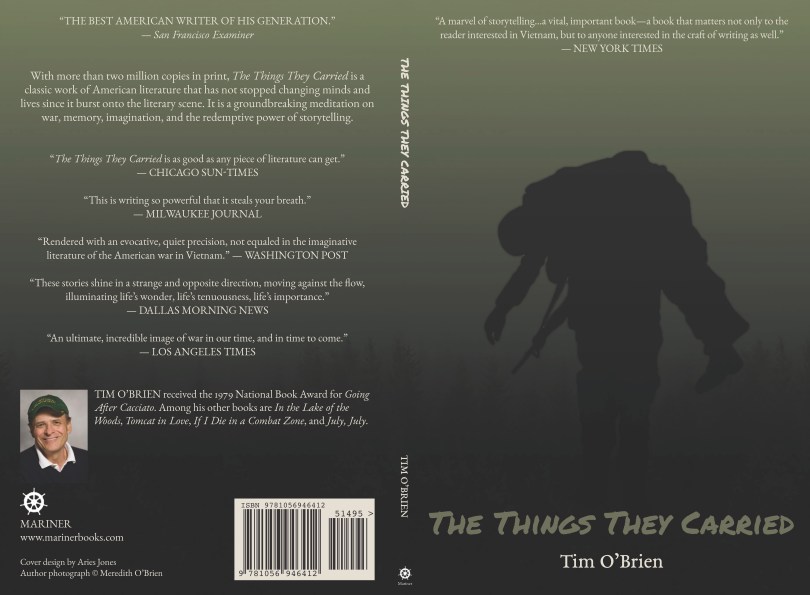
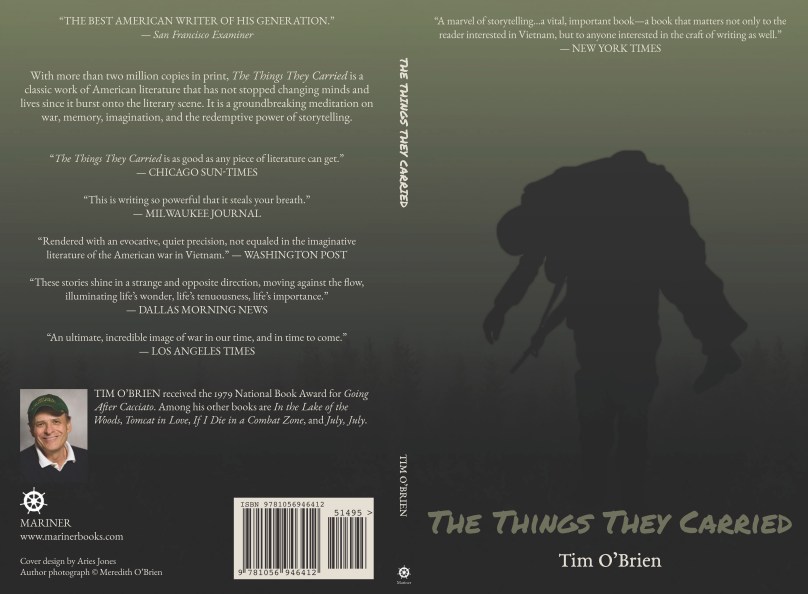
the things they carried cover redesign

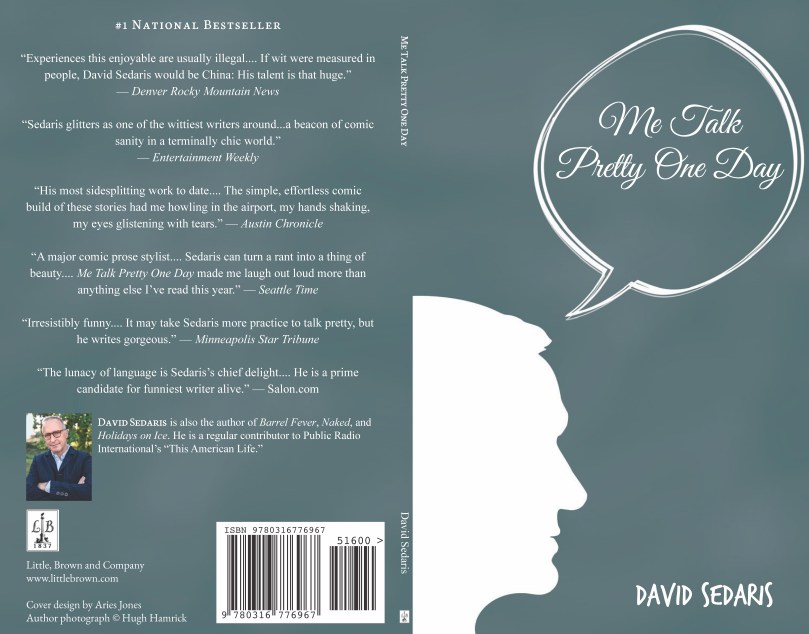
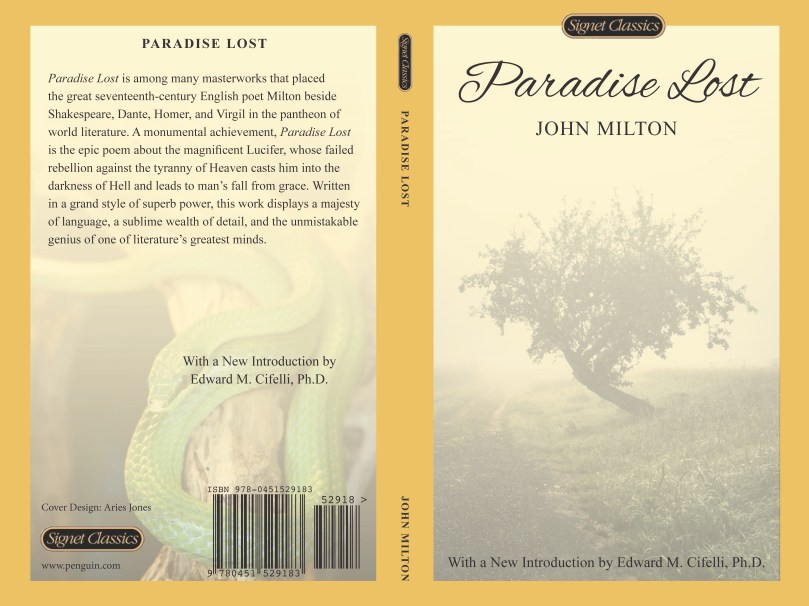
Publishing Design: The Covers of 3 Books, Reimagined

For my masters program, I had to recreate the covers of three novels of my choosing, considering their theme and length. Since this was the culmination of the Publishing Design course, I had to carefully select various elements, ranging from font to margin width, to best represent the book. And after many–many hours of brainstorming and relearning how to use Adobe InDesign, these were the results.

Disclaimer: The following designs were made as part of a school project–a recreation of the original novel’s cover and interior design–and therefore not produced with or for the sale of the book; rights to any original artwork and text belong to the author.